 Reviews

 Proudly American

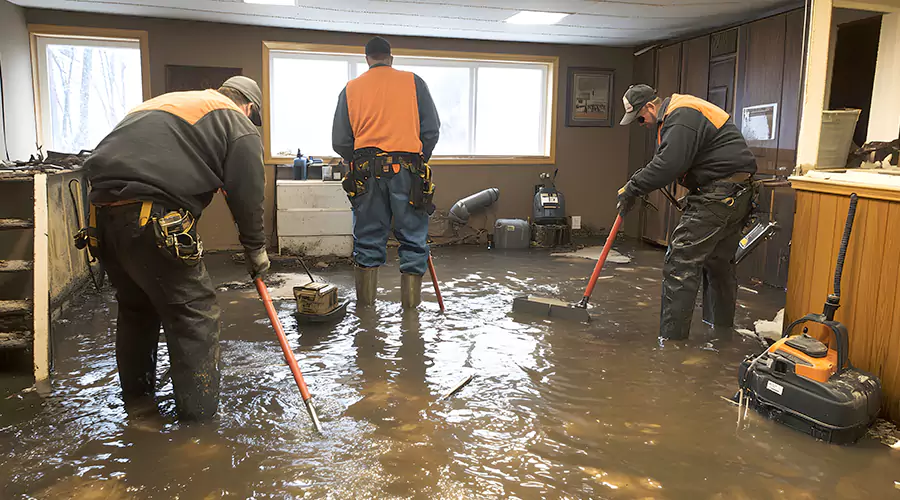
There are few things scarier for a homeowner than the sound of a heavy storm raging outside. You lie in bed listening to the rain pound against the roof, wondering if your basement will be dry in the morning.
For many homes, especially those in low-lying areas, a flooded basement is a constant threat. It destroys furniture, ruins drywall, and leads to expensive mold problems.
The good news is that there is a reliable way to fight back. It is called a sump pump.
This small but powerful device is the heart of a waterproofing system. In this guide, we will explain what a sump pump is, how it works, and why it is an essential investment for protecting your home.
What Exactly is a Sump Pump?
A sump pump is an electric pump that is installed in the lowest part of your basement or crawlspace. Its only job is to pump water out of your house and away from your foundation.
It is usually placed inside a specially dug hole called a "sump pit." When the soil around your house gets saturated with rain, the excess water drains into this pit instead of seeping through your basement floor.
How Does It Work?
The mechanism is actually quite simple. It works a lot like a toilet tank, but in reverse.
- Collection: As it rains, groundwater accumulates around your foundation. A system of drain tiles or gravel channels this water into the sump pit.
- Activation: The pump has a "float switch" attached to it. As the water level in the pit rises, the float rises with it.
- Pumping: When the float reaches a certain height, it triggers the switch. The motor turns on automatically.
- Discharge: The pump pushes the water up through a pipe (called a discharge line) and sends it outside, far away from your house.
- Reset: Once the water level goes down, the float lowers and turns the motor off.
This cycle repeats automatically as long as water is entering the pit. You do not have to do anything.
The Two Main Types of Pumps
When you shop for a sump pump, you will see two primary designs. Choosing the right one depends on your basement setup.
Submersible Pumps
As the name suggests, this pump sits right down inside the water in the pit. The motor is sealed in a waterproof housing.
- Pros: They are very quiet because the water muffles the sound of the motor. They are also more powerful and can handle debris better.
- Cons: They can be harder to access for repairs since they are deep in the pit.
- Best For: Finished basements where noise is a concern.
Pedestal Pumps
This pump has a long stick or "pedestal." The motor sits on top of the stick, high above the water level, while the impeller (the part that moves water) is at the bottom in the pit.
- Pros: The motor is not submerged, so it often lasts longer. It is also cheaper and easier to repair.
- Cons: They are loud. You will hear the motor humming every time it turns on.
- Best For: Unfinished basements or crawlspaces where noise does not matter.
Why You Must Have a Battery Backup
Here is the irony of a sump pump. You need it most during heavy storms. But heavy storms are also the most likely time for your power to go out.
Since a standard sump pump runs on electricity, it will stop working exactly when you need it most. If the power dies during a hurricane, your basement will flood.
This is why we strongly recommend installing a battery backup system.
- This is a second, smaller pump that runs on a large marine battery.
- If the power goes out, or if the main pump fails, the backup kicks in automatically.
- It gives you peace of mind knowing that your home is protected even if the electricity is down for days.
Maintenance is Key
A sump pump is a mechanical device. Like a car, it needs regular checkups to ensure it will work when called upon.
We recommend testing your pump once every season. You can do this easily:
- Take a bucket of water.
- Pour it slowly into the sump pit.
- Watch the float rise.
- Listen for the pump to click on and pump the water out.
If the water rises but the pump does not start, call a professional immediately. Proper Sump Pump Maintenance can help prevent such failures, and it is better to find out it is broken on a sunny day than during a flood.
Conclusion
Water damage is expensive. Repairing a flooded basement can cost tens of thousands of dollars, not to mention the loss of sentimental items like photo albums stored in boxes.
A sump pump is a relatively small investment that offers massive protection. It acts as a 24/7 security guard for your foundation.
If you have noticed dampness in your basement or if your current pump is more than 10 years old, do not wait for the next storm. Contact us today. We can install a reliable system that keeps your home dry and healthy, no matter how hard it rains.